


High in Costa Rica’s Monteverde cloud forest, the most memorable moments often arrive quietly: a veil of mist drifting across the treetops, the sudden call of a bird, the realization that an entire world is thriving above the forest floor. For decades, Selvatura Park has introduced travelers to this landscape through encounters that combine adventure with ecological understanding.
Now that work has received international recognition. In September 2026, the park was honored with a Ranking Top100 Innovative Leaders award in the Sustainability and Environment category. The distinction places a Costa Rican ecotourism story within a broader conversation about how destinations can welcome visitors while safeguarding the natural places that attract them.
An International Award Rooted in a Costa Rican Forest
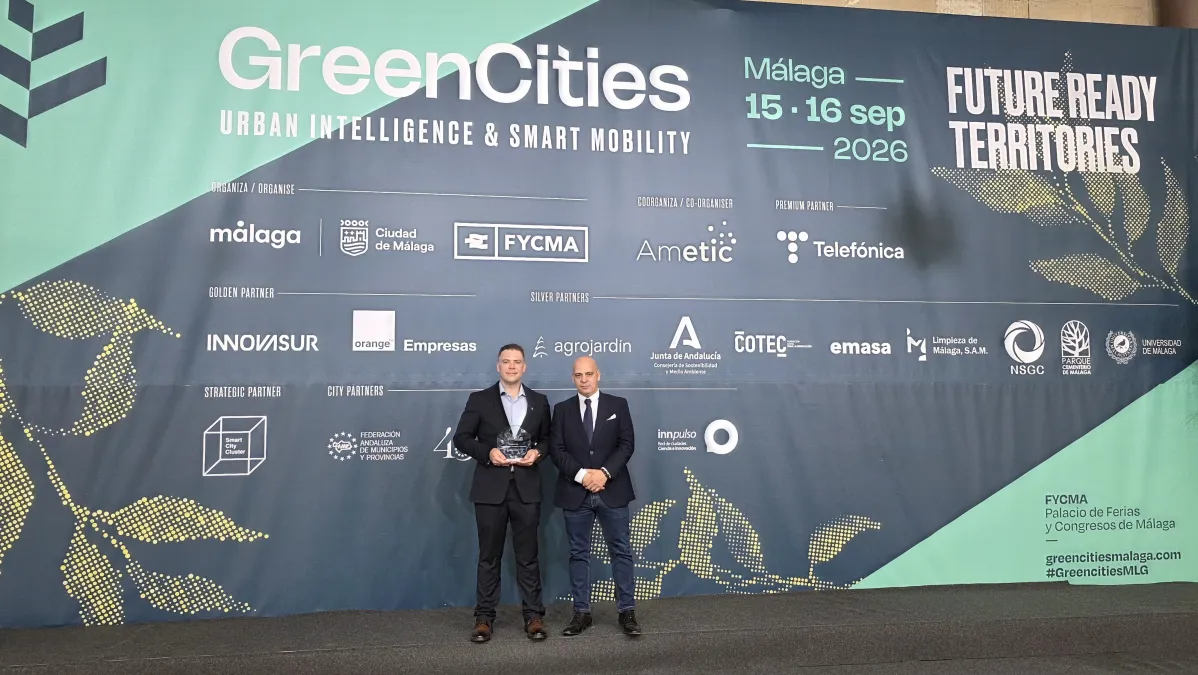
The award was presented in Málaga, Spain, alongside Greencities, Urban Intelligence & Smart Mobility 2026, a gathering focused on sustainable cities, innovation and territorial development. Mario Andrés Solano, a director of the group behind Selvatura Park, accepted the recognition from Josu Gómez Barrutia, president of the Ranking Top100 Innovative Leaders jury.
The distinction recognizes a long-term approach rather than a single attraction. Its significance lies in the connection between tourism, environmental education, conservation and local development: four ambitions that are often discussed separately but must coexist in places where the environment is the principal reason to visit.
At a time when sustainability can be reduced to a marketing slogan, the example from Monteverde poses a more demanding question: What would tourism look like if the surrounding forest were treated not merely as scenery, but as the foundation of the entire visitor experience?
The Ranking Top100 initiative, associated with Red Business Market and collaborating organizations, highlights innovative leadership across the Ibero-American sphere. For Selvatura Park, the recognition brings international attention to an approach shaped by the particular ecology and community of Monteverde.
From Rural Roots to Sustainable Tourism in Costa Rica
The story began not with a luxury resort or a grand urban development, but with a local family and a rural landscape. On its official website, Selvatura describes a transformation that began more than 25 years ago, when a family-led project developed trails, platforms and zip-line experiences in Monteverde.
That history was also part of a September 2026 sustainability and tourism forum in San Xoán de Río, Spain. In a report published by O Sil, Mario Solano described how an initiative originating with a cattle-ranching family evolved into an ecotourism enterprise. Selvatura has grown into an important contributor to the local economy, generating approximately 300 direct jobs and creating meaningful employment opportunities for the surrounding communities.
For rural destinations, such a trajectory is worth studying. A forest can be understood as an ecological asset, but it is also inseparable from the livelihoods of people living nearby. Tourism can create incentives to maintain natural landscapes when employment, visitor education and responsible operations become part of a coherent business model.
This does not mean that all nature tourism is automatically sustainable. Infrastructure, visitor pressure and wildlife interactions require continuing scrutiny. The more useful lesson from Selvatura’s trajectory is that economic opportunity and environmental responsibility need not be framed as opposing objectives.
Monteverde Cloud Forest Conservation, Seen Up Close
Monteverde’s cloud forest is a place of shifting perspectives. Moist air meets mountain slopes; trees support mosses, orchids and other plants; and species occupy different layers of the forest. Understanding this vertical world is difficult from a roadside viewpoint alone.
At Selvatura Park, an approximately three-kilometer hanging-bridge route crosses eight suspension bridges, allowing visitors to observe the canopy at different heights. The park also offers natural history walks, a canopy tour, a butterfly garden and educational experiences related to sloths, reptiles and amphibians. These are distinct ways to engage with the same ecosystem: through movement, observation and interpretation.
An unhurried bridge walk may invite a traveler to notice the intricate structure of branches and epiphytes. A guided natural history experience can add context: why moisture matters, how species depend on habitat and why cloud forests deserve protection. Adventure, at its best, becomes a point of entry into curiosity.
The park’s sloth habitat, developed in collaboration with Caribbean Sloth Sanctuary according to the award coverage, also demonstrates why animal-focused tourism demands an educational perspective. Visitors should approach wildlife experiences as opportunities to understand animal welfare and threats to habitat, not as guarantees of intimate encounters.
What Responsible Costa Rica Travel Experiences Can Teach Us
For travelers choosing among ecotourism experiences in Monteverde, an award is useful context—but the more important question is what happens during the visit. Does the experience create room to learn? Are wildlife and habitats treated with respect? Does the destination offer something beyond an adrenaline rush or a photograph?
Selvatura’s mix of activities gives different travelers different points of access. Some will favor the quiet pace of the hanging bridges. Others will choose the zip lines, then discover the forest through the butterfly garden or an interpretive walk. Families and first-time visitors may find that combining an active experience with a slower educational one makes the day more meaningful.
There are simple ways to travel more thoughtfully: stay on designated routes, follow guides’ instructions, avoid feeding or handling wildlife, keep noise to a minimum and allow time for observation. Such habits will not resolve every challenge associated with global tourism, but they express a basic principle: being a guest in a sensitive ecosystem carries responsibilities.
The 2026 recognition is ultimately an invitation to think beyond individual attractions. It suggests that a successful nature destination should be measured not only by the experiences it sells, but also by the understanding it helps travelers carry home.
A Recognition That Points Toward the Future
The international award does not mark the end of Selvatura Park’s sustainability story. It draws attention to the ongoing task of making conservation, visitor experiences and local opportunity reinforce one another. That work matters especially in Monteverde, where the cloud forest is both a living ecosystem and the defining identity of the destination.
For travelers, the message is straightforward: an unforgettable day outdoors can also deepen awareness of what is at stake. Selvatura Park offers an opportunity to experience the forest from within—and to leave with more than photographs. The most lasting souvenir may be a clearer sense of why places like Monteverde deserve thoughtful protection.
Plan Your Monteverde Cloud Forest Visit
Explore the hanging bridges, nature experiences and adventure options at Selvatura Park. Review available tours and book directly at https://www.selvatura.com/.