

Lifelong Care Program
Lifelong Care Program
A safe home for those
who need lifelong care
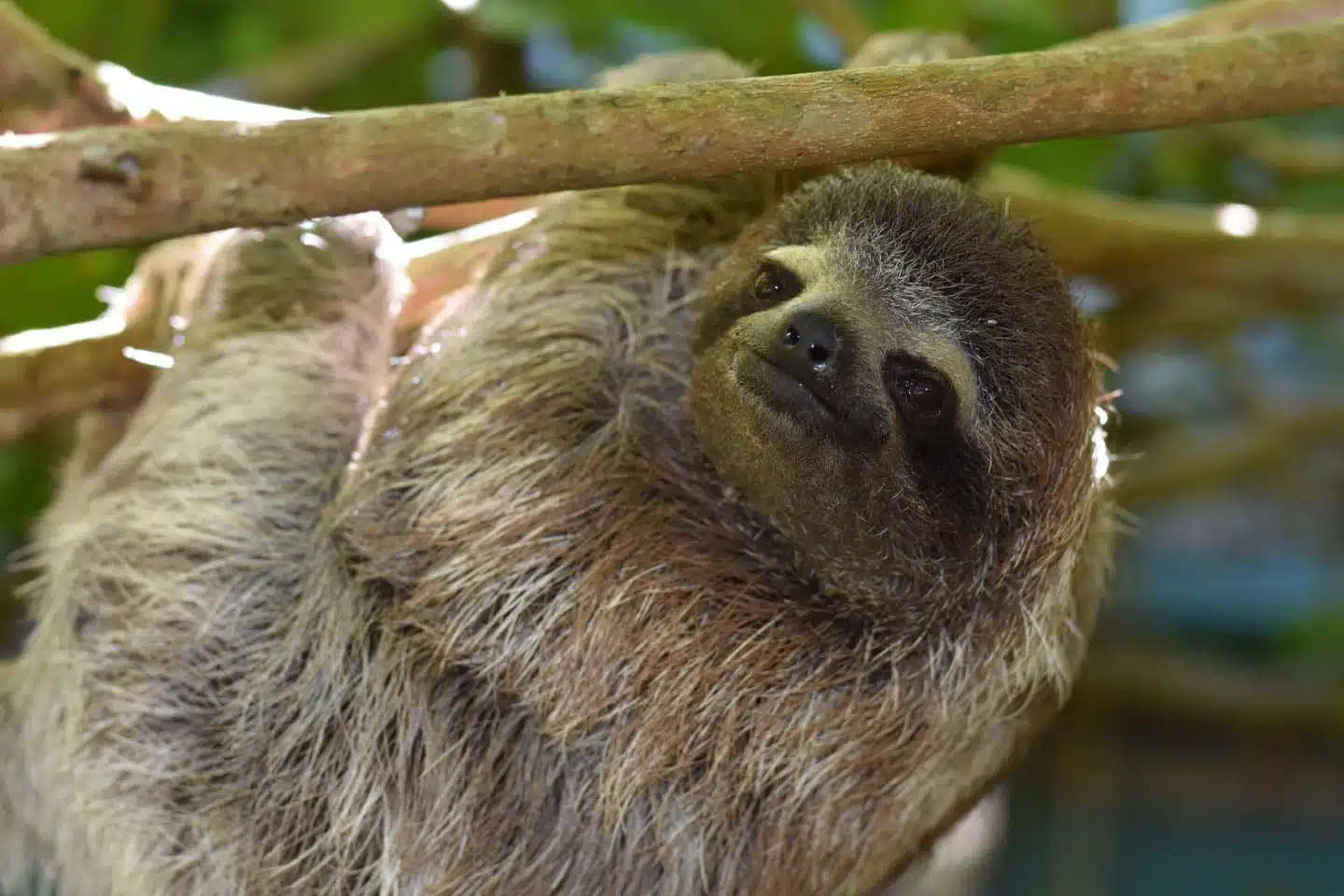
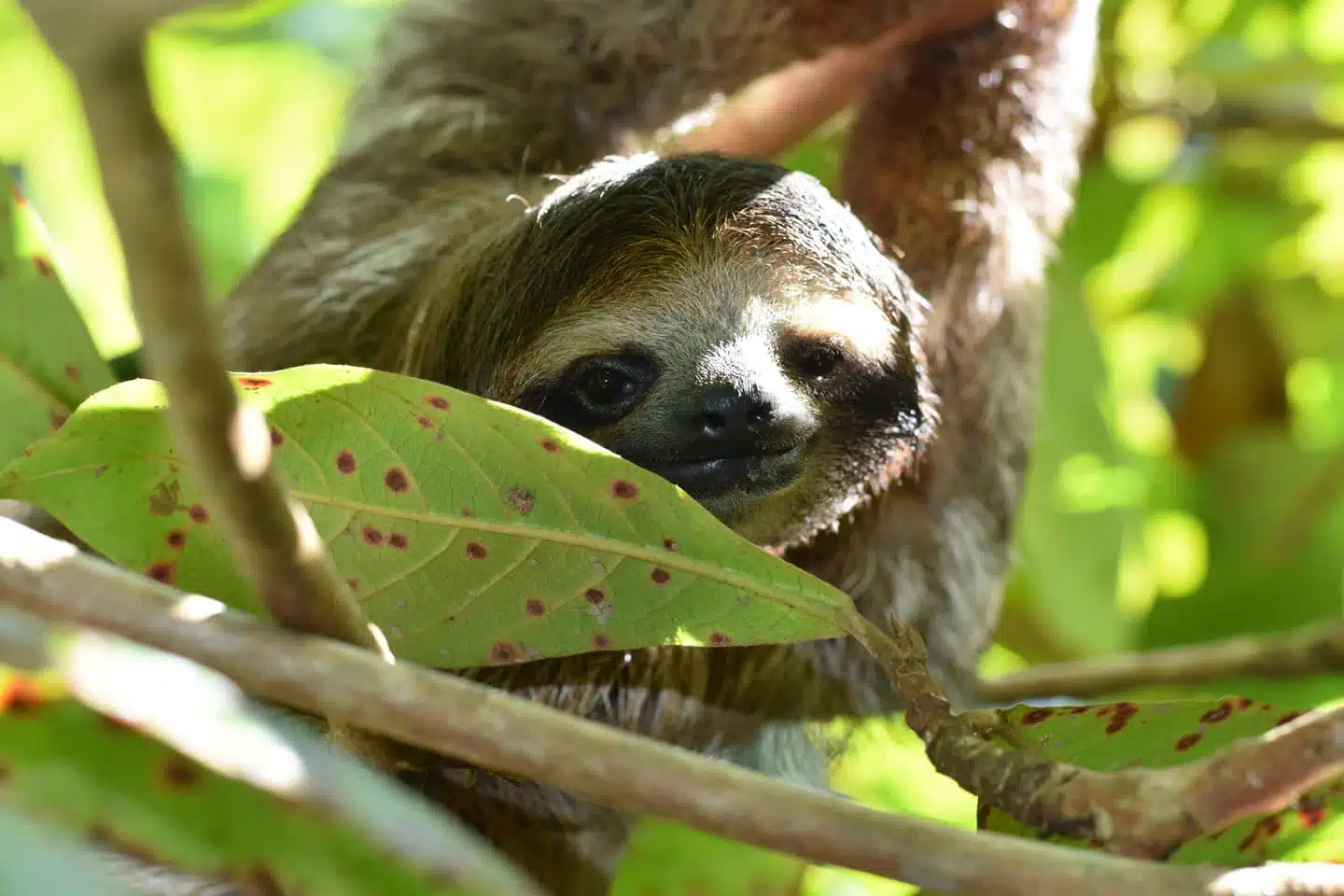
In partnership with the Sloth Sanctuary of Costa Rica, Selvatura welcomes rescued sloths that cannot survive independently in the wild. Discover their stories, learn why they need lifelong care, and support the sanctuary’s efforts to rehabilitate over 100 sloths and return them to their natural habitat.
In partnership with the Sloth Sanctuary of Costa Rica, Selvatura welcomes rescued sloths that cannot be returned to their natural habitat. These are animals whose physical or behavioral condition does not allow them to survive on their own in the forest, and who need human care for the rest of their lives.
Our program lets you learn their story, understand why they need permanent protection, and discover how to support the sanctuary that is currently rehabilitating more than 100 sloths to return them to the forest.
Why these sloths cannot return to the forest
A rescue does not always end with a return to the wild. To survive in the forest, a sloth needs two things: a body that allows it to climb, move and feed on its own, and the natural behaviors of its species to find food, avoid danger and interact with other sloths.
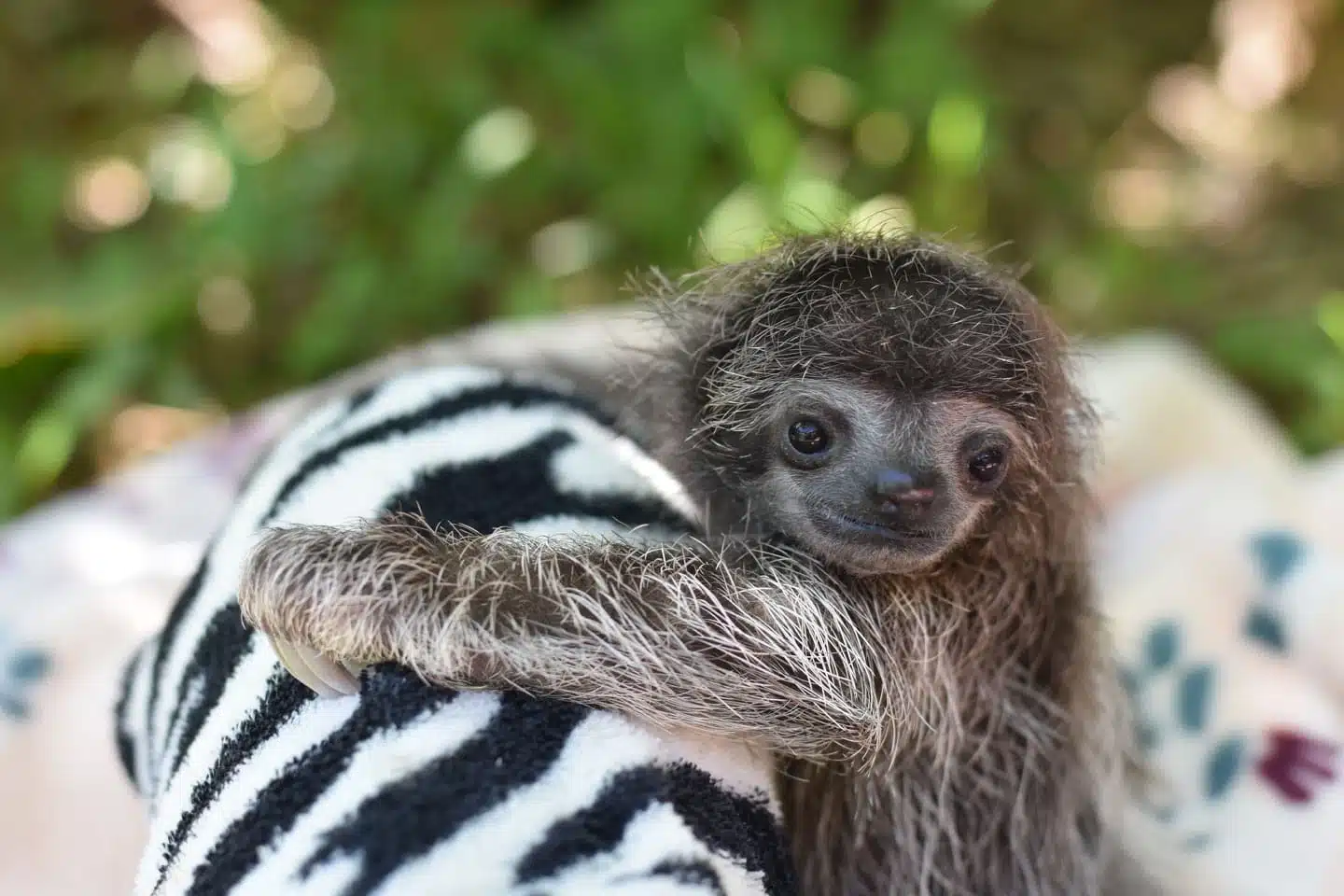
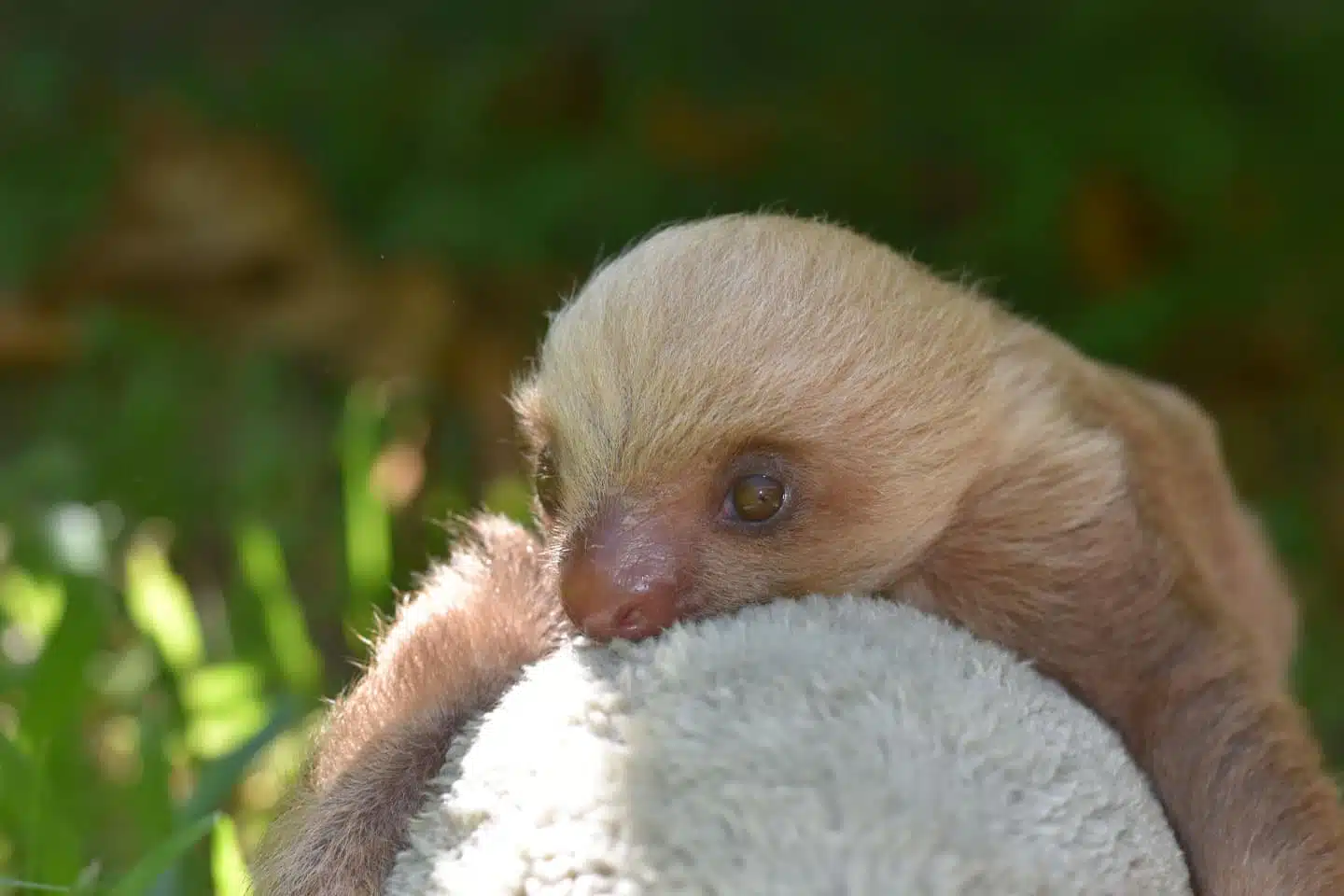
Some rescued animals have lost one of those abilities, or both. Some sloths suffered anatomical damage, such as severe limb injuries or amputations, that permanently reduced their physical ability to move through the branches or feed themselves. Others arrived at the sanctuary as orphaned babies and grew up without a mother to teach them how to live in the forest, so they never developed the behaviors they need to survive without assistance.
Even if a sloth can climb, rest or move around in a protected space, that does not mean it is ready to live without help. For them, permanent care is not an option: it is a necessity.
Scan to donate!

The partnership between Selvatura
and the Sloth Sanctuary
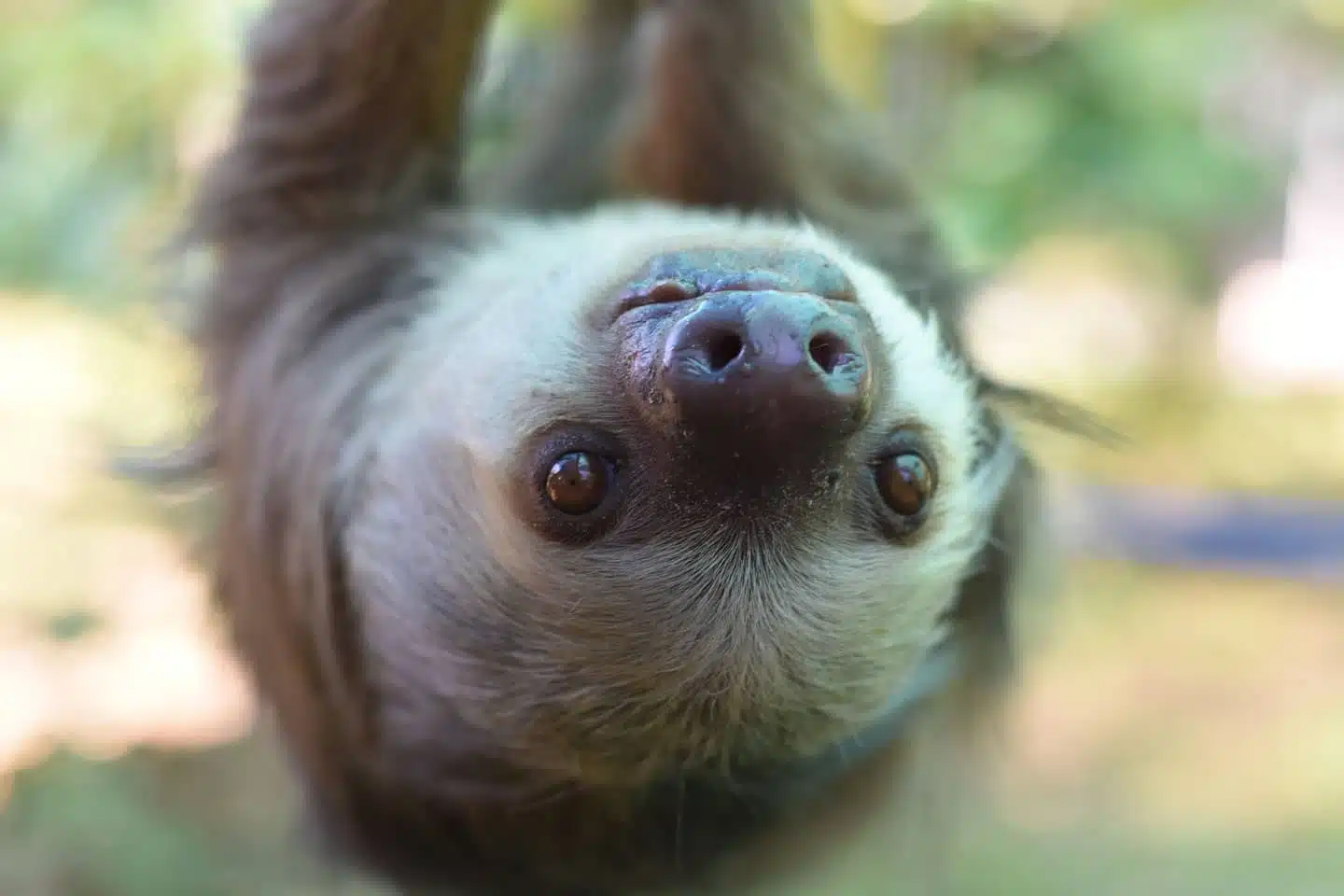
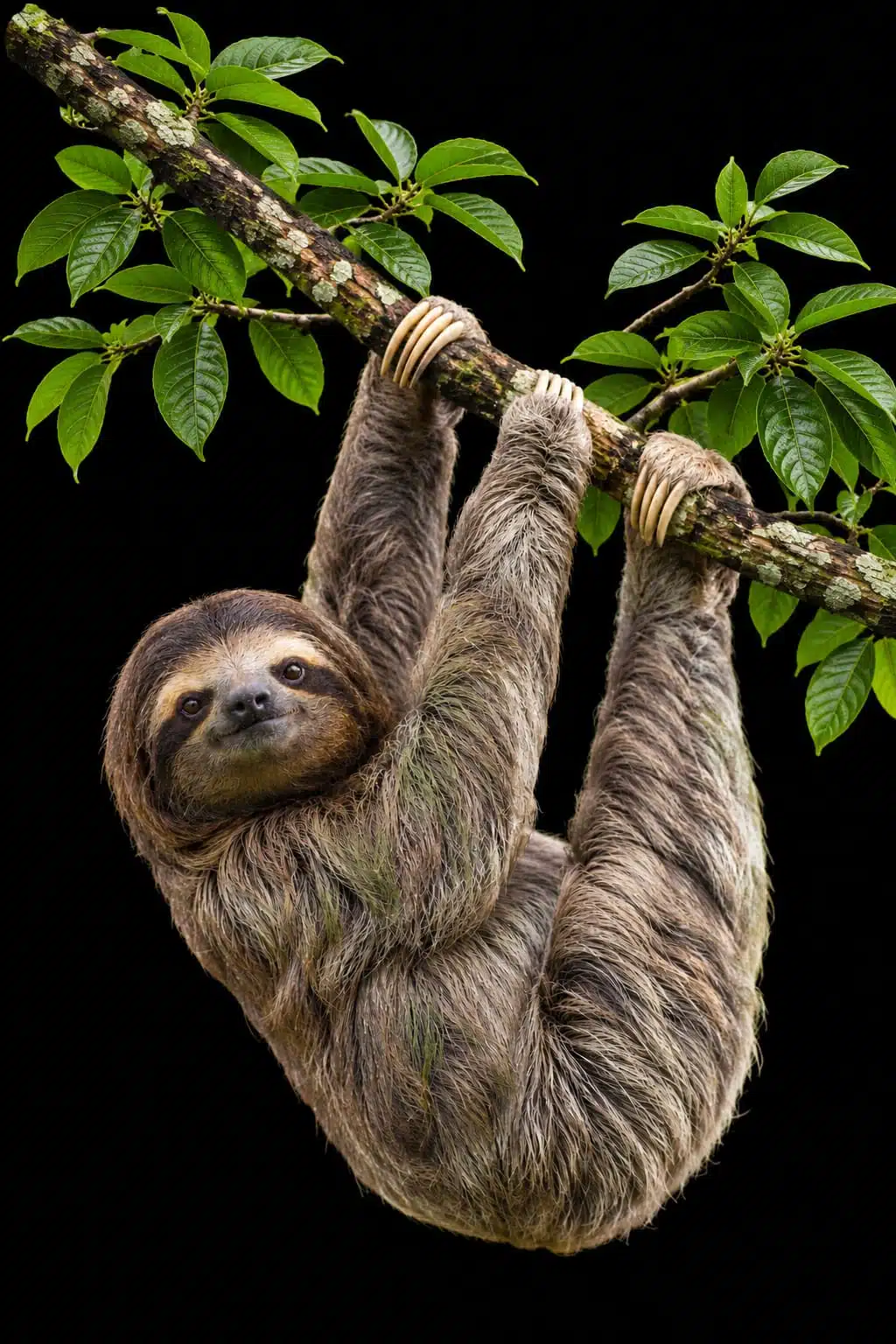
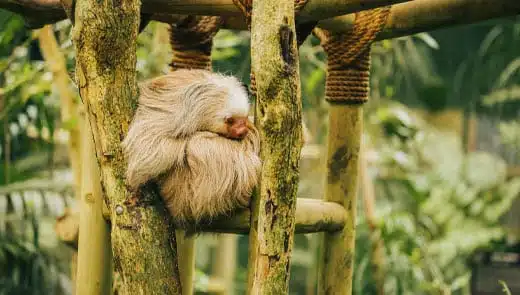
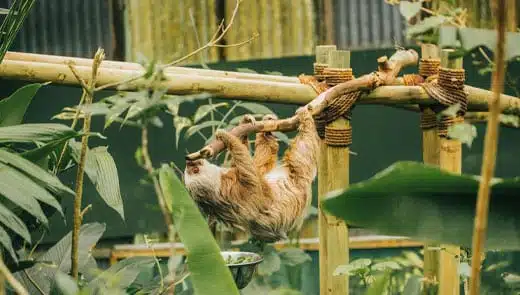
Since 2019, Selvatura has been the permanent home of sloths rescued by the Sloth Sanctuary that cannot be released. In our Sloth Habitat they live in a spacious, natural setting, and visitors can observe them and learn about their care and about the importance of protecting wild sloth populations.
This partnership serves a double purpose. By taking in the sloths that need lifelong care, Selvatura frees up space and resources at the sanctuary for the animals that can return to the forest. And every visitor who learns this story can become a supporter, helping more sloths complete their rehabilitation and return to their habitat.
Sloth Sanctuary of Costa Rica: a story that began with Buttercup
In 1992, three girls brought an orphaned baby sloth to Judy Avey-Arroyo and Luis Arroyo, on Costa Rica’s Caribbean coast. They named her Buttercup. Caring for her gave rise to the Sloth Sanctuary of Costa Rica, the world’s first center dedicated to sloth rescue, officially authorized as a rescue center in 1997.
Since then, the sanctuary has cared for more than 1,100 sloths and works on five fronts: rescue, rehabilitation, research, education and release. Its goal for every animal that arrives is the same: to return it to the forest. Today, more than 100 sloths are in its rehabilitation program getting ready to be released.
Your help sends sloths back to the forest
Releasing a sloth is not opening a cage. It is a process that requires resources every single day: fresh leaves collected in the forest, staff trained to work with the animals, medical check-ups, tracking collars to know how each animal is doing after release, and a reforestation program that improves the habitat that will receive them.
We invite you to contribute to the work of the Sloth Sanctuary of Costa Rica. Your donation strengthens the release program and allows more sloths to be returned to their habitat.
To donate, visit the sanctuary’s official support page and check its current options. Your contribution goes directly to the Sloth Sanctuary of Costa Rica.
Frequently asked questions
Why don’t the sloths at Selvatura return to the forest?
Because their physical abilities were diminished by anatomical damage they suffered, or because they never developed the behaviors needed to survive in the forest. In either case, they could not live independently.
Do all rescued sloths need lifelong care?
No. The Sloth Sanctuary’s goal for every rescued sloth is to rehabilitate and release it. This program focuses only on those that cannot be returned to the wild.
Can I touch or feed them?
Visits are for observation and learning. Please follow the team’s instructions and avoid touching, holding or feeding the animals.
How can I help?
By donating to the Sloth Sanctuary through its official support page. Your donation strengthens the release program so that more sloths can return to the forest. You can also share this program so that more people learn this story.